PRESTO PLANS




Sent straight to your inbox
CLICK HERE TO ACCESS
Sign up to receive 10 ready-to-use ELA resources your students will love!
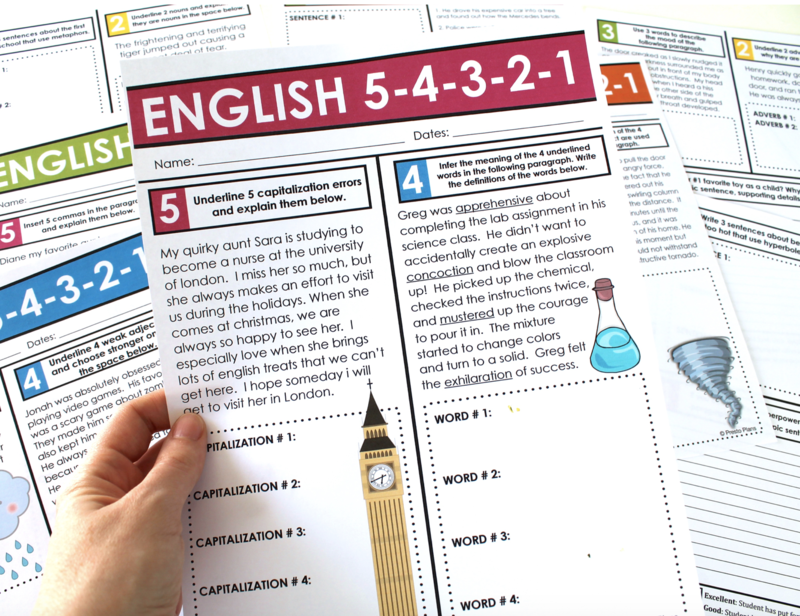
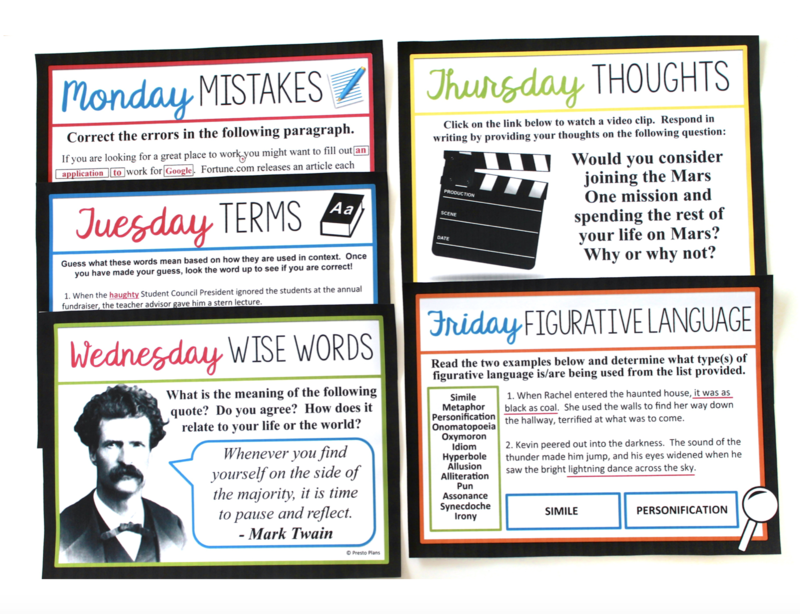
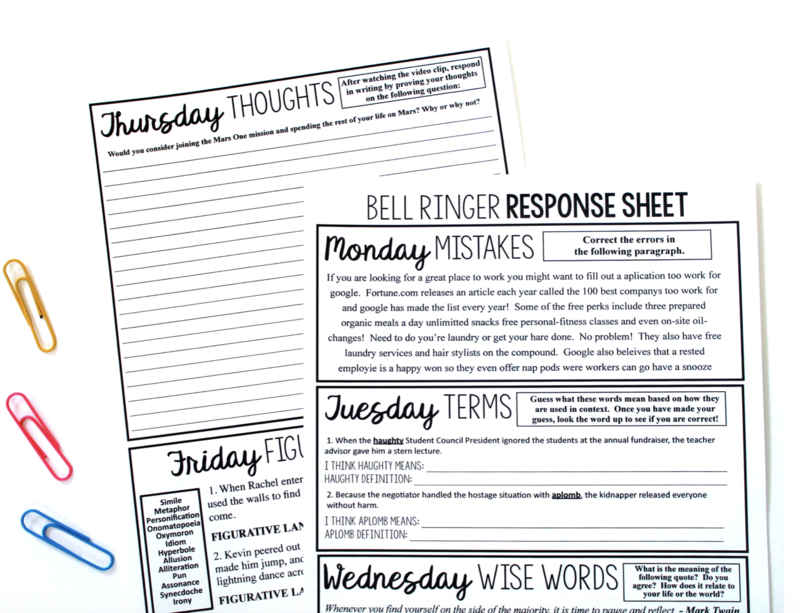
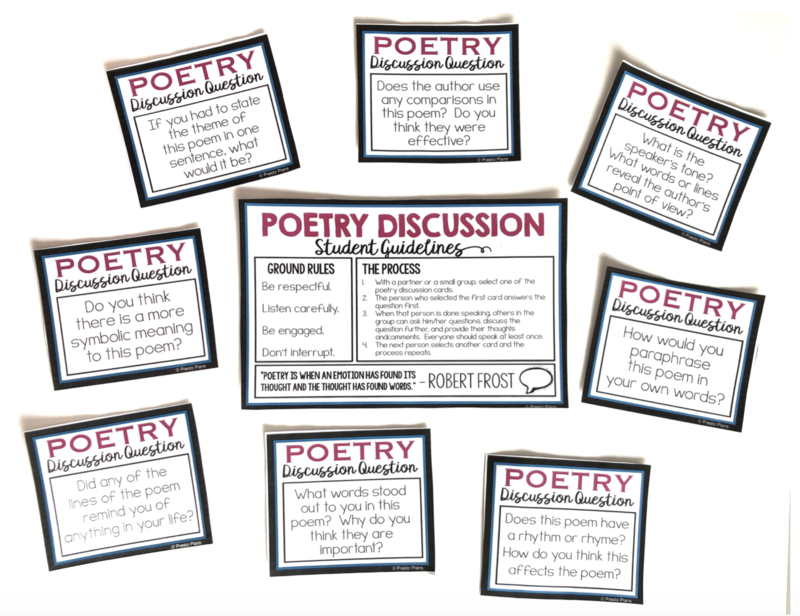
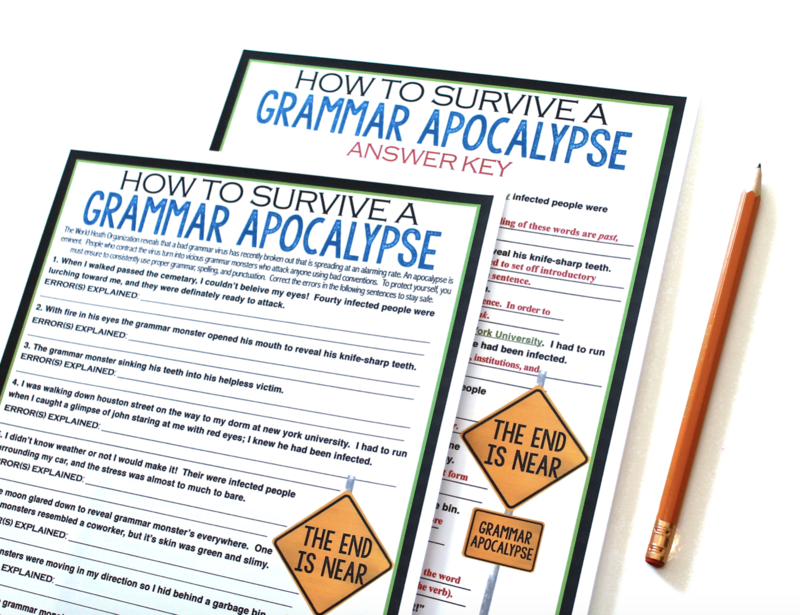
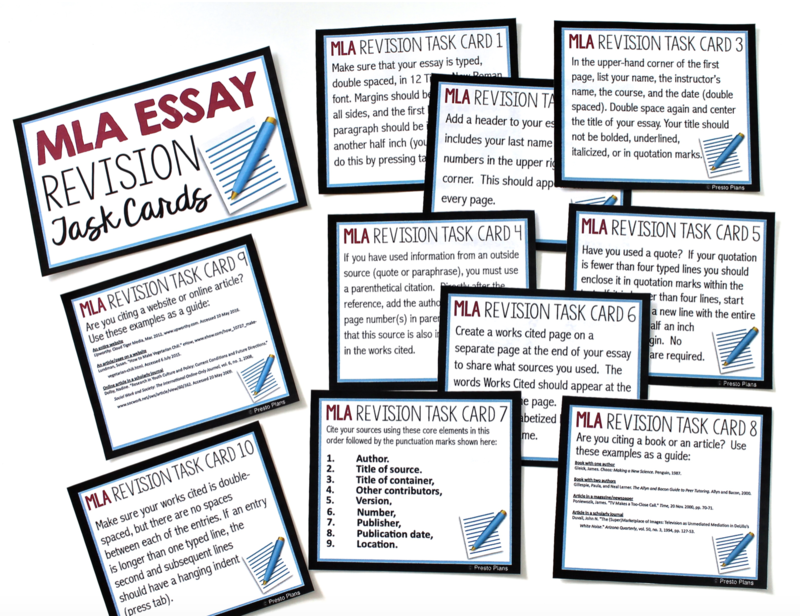
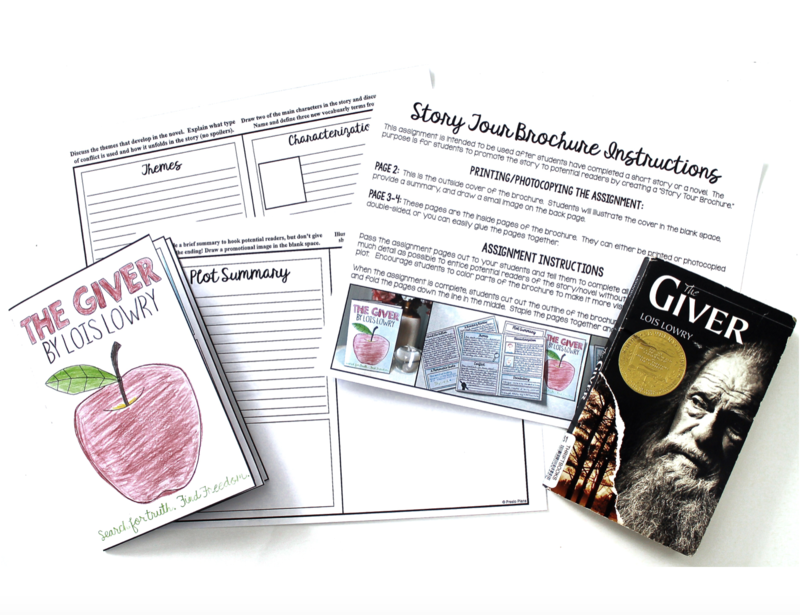
10 FREE ELA RESOURCES







Teaching “The Hitchhiker” by Roald Dahl
Short stories are one of my favorite ways to help middle and high school students strengthen their reading comprehension skills. Because students can experience an entire story in a relatively short amount of time, they’re perfect for exploring skills like figurative language, analyzing dialogue and dialect, and understanding characters.
One short story I love teaching to this age group is “The Hitchhiker” by Roald Dahl. This captivating tale works as a standalone text, or as part of a larger short story unit (I love teaching “The Hitchhiker” – and other creepy stories by Roald Dahl – in the week leading up to Halloween!). Originally published in a 1977 issue of Atlantic Monthly magazine, “The Hitchhiker” tells the story of a successful writer who is out for a drive to London in his new BMW when he decides to pick up a hitchhiker on the side of the road. When the pair are pulled over by a police officer for speeding, the new passenger’s special set of skills prove to be invaluable.
Here is my start-to-finish process for teaching “The Hitchhiker” by Roald Dahl.
Build Background Information
Before students dive into any text, I like to spend some time sharing background information about the author and about the story itself. When teaching “The Hitchhiker,” I find many students are already familiar with Roald Dahl’s stories for children, including Charlie and the Chocolate Factory, Matilda, and James and the Giant Peach. However, they may not know that Dahl had a diverse range of interests and careers – including as an “ace fighter pilot” and “chocolate historian” – and also wrote a number of short stories for adults. I also like to share that “The Hitchhiker” was originally published in a magazine, but later appeared in the short story collection The Wonderful Story of Henry Sugar and Six More.
From here, I like to ask students to make a prediction about what they think the story will be about, based on the title alone.

Pre-Reading Activity & Discussion
Once students have made their initial predictions, I like to get them up and moving with a quick pre-reading activity. In this no-prep task, I ask all students to sit at their desks. As I display a series of statements, I tell them to stand up if they agree, and remain seated if they disagree. Some of the statements I like to use when teaching “The Hitchhiker” include:
- People would break the law more often if they knew they wouldn’t be caught.
- Hitchhiking is a safe way to travel.
- The secret to life is to become very good at something that is hard to do.
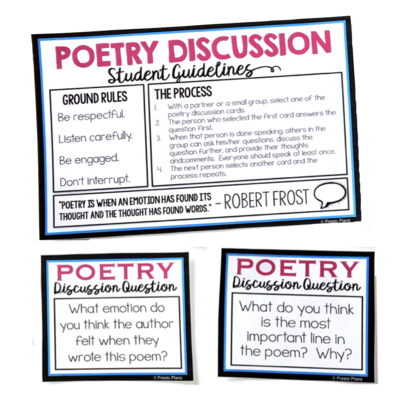
Once this activity is over, I like to engage the class in a more comprehensive pre-reading discussion. There are many ways to facilitate a discussion with middle school students, but when I’m teaching “The Hitchhiker,” I prefer to split students up into teacher-directed groups (four students per group tends to work well). This way, they can explore a variety of different perspectives during their discussion.
If you have students who like to move, you can set up each discussion prompt as a “station” and have the various groups circulate throughout the room. Alternatively, you can give each group a different question to discuss, and then one student from each group can summarize the conversation and share with the class.
TIP: No matter how you choose to approach the pre-reading discussion, I recommend bringing the whole class back together for a quick and focused conversation before you begin reading the story.
Reading “The Hitchhiker” by Roald Dahl
One reason I like teaching “The Hitchhiker” by Roald Dahl is that it gives students an excellent opportunity to practice reading dialect and interpreting slang. I find that it can be helpful for students to listen to a recording of the story as they follow along, especially in the passages of dialogue that involve Michael Fish, the hitchhiker, who speaks with a Cockney accent. There are many recordings of the story available online, and on streaming services such as Spotify and Apple Podcasts.
Because some students might need support with the dialect in the story, I like to have the class read “The Hitchhiker” twice. The first time, I ask them to listen to the recording and follow along with the text, and the second time, I have them read independently, highlighting or annotating the unfamiliar vocabulary or phrases they encounter.
Post-Reading Discussion
Once everyone has had the chance to read “The Hitchhiker” and make some notes or annotations, I like to bring the class together for a post-reading discussion. I find a follow-up conversation can help students explore other perspectives and hone in on some of the finer details related to plot and character that they may have missed while reading on their own.
Like the pre-reading discussion, this can be facilitated in a number of different ways. You might ask students to return to their original small groups, you might change up the groupings, or it may be best to lead a whole-class discussion – you know your class best!
When teaching “The Hitchhiker by Roald Dahl, I like to focus my discussion questions on the qualities and morals of the two central characters. I often ask questions like:
- Do you consider stealing to be a “skilled” trade?
- What does the driver’s reaction to the theft of the policeman’s book reveal about his character?
- Do you think the two men will get away with speeding?
Figurative Language “Mystery Question”
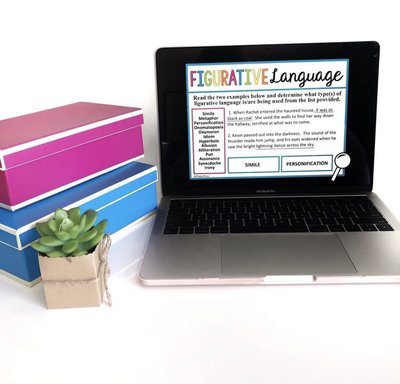
One of the reasons I love teaching “The Hitchhiker” is Roald Dahl’s creative use of a variety of different types of figurative language. I like to begin with a mini-lesson that provides students with definitions and examples of simile, personification, alliteration, and hyperbole.
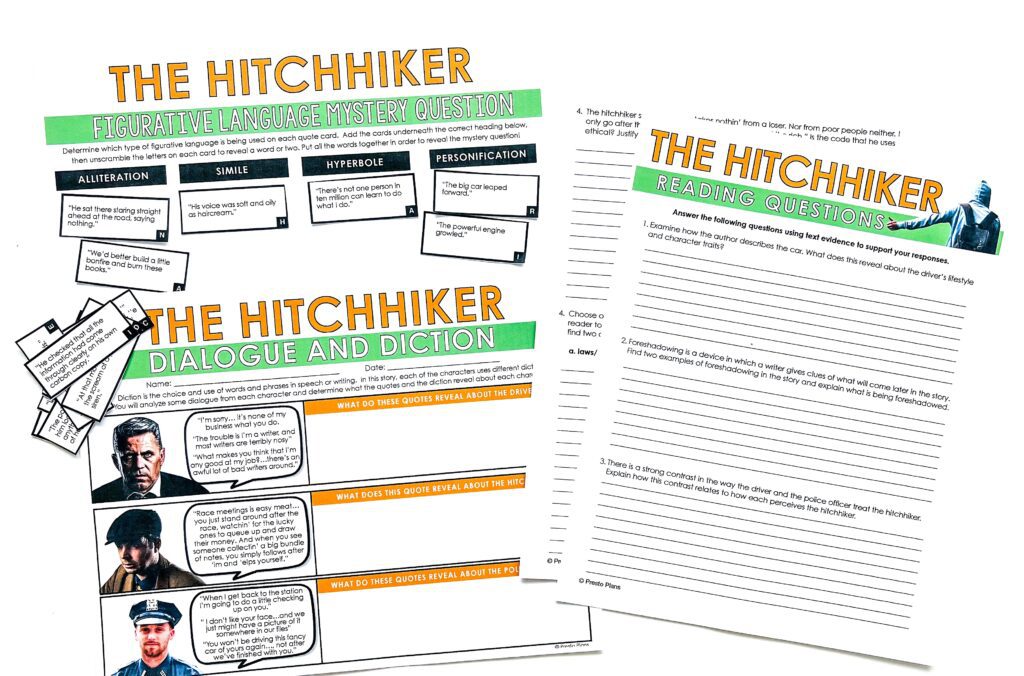
From here, it’s time to move into a collaborative, hands-on activity that allows them to put their understanding of figurative language into practice. For this task, I divide students into small groups (I like pairs, or groups of no more than four), and provide each group with a set of printable cards featuring quotes from “The Hitchhiker.” When students correctly sort the quotes by figurative language type, the letters on the bottom of each card will reveal a mystery question!

Reading Questions
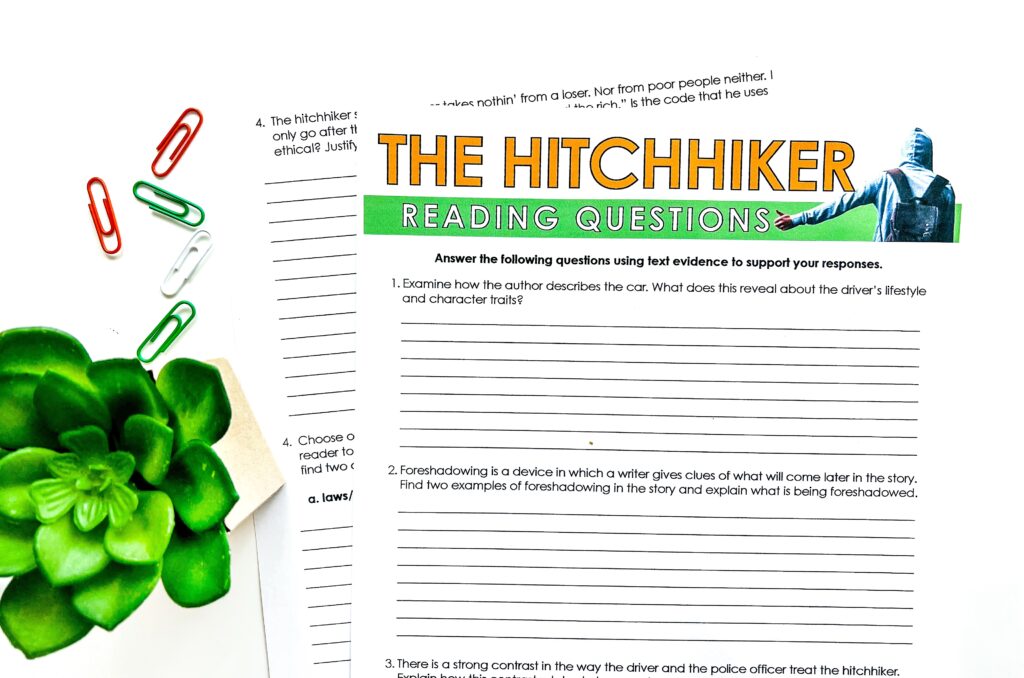
After students are finished with their collaborative task, I like to shift into an independent activity. Comprehension and analysis questions give students an opportunity to think more deeply about the story. They also prompt them to reflect on elements of writers’ craft, including Roald Dahl’s use of foreshadowing, characterization, and theme.
As students complete their questions, I remind them to refer back to “The Hitchhiker,” and to provide specific evidence from the story to support their thoughts and ideas. Once everyone has completed the questions, I like to collect them and review their responses. This helps me understand which concepts students already know well, and where they may need more opportunities to review or practice certain skills.
“The Hitchhiker” Slang Study
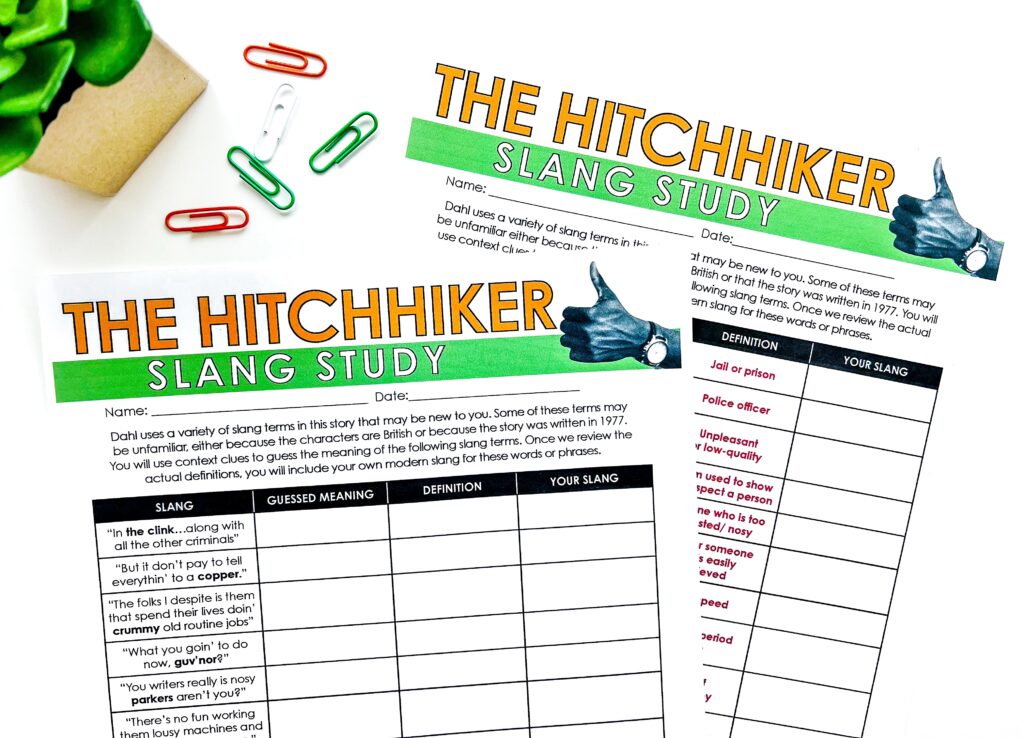
For many middle school ELA students, one of the most challenging things about “The Hitchhiker” is Roald Dahl’s use of slang and dialect. With this in mind, I like to share a learning activity that helps students use context clues to determine the meaning of unfamiliar words.
To begin, I define the term “slang” as a collection of informal words that are used by a specific group of people and are often restricted to a particular context (like the age of the speaker, the time period, a geographical location, and so on). Next, I ask students to quickly brainstorm a list of slang terms that they use in everyday conversation. Once they create their list and share with the class, I point out that because “The Hitchhiker” was published in Britain in the 1970s, many of the informal terms in the story may be unfamiliar to teenage readers in the 21st century. However, students can often determine the meaning of these words and phrases by using context clues.
In the “Slang Study” activity, students can work in pairs or small groups to examine some examples of slang from “The Hitchhiker.” Using a graphic organizer containing quotes from the story, they first guess the meaning of each term, including:
- “The clink” (prison)
- “Nick” (to steal)
- “Racket” (illegal activities)
… and so on
After they make their guesses, I reveal the definition of each term. On their organizer, students can then rephrase each term into “modern-day” slang.
Diction & Dialogue
Another area where I find students may need additional support when teaching “The Hitchhiker” is in Roald Dahl’s use of diction and dialogue. In this lesson, I start by explaining that diction is the author’s choice of words. These words can have both denotative (literal) and connotative (implied) meaning.
I ask students to go back and review the story, looking specifically at the “spoken” interactions between the various characters. Using a graphic organizer containing specific statements made by the driver, the hitchhiker, and the police officer, students must examine what their dialogue reveals about each character. As they complete this task, I invite students to consider the literal meaning of each character’s words, as well as the overall tone they convey.

Writing Activities for Teaching “The Hitchhiker”
One way that I like to extend teaching “The Hitchhiker” by Roald Dahl is through writing activities that allow students to express their creativity. Here are two of my favorite creative writing assignments to pair with this short story!
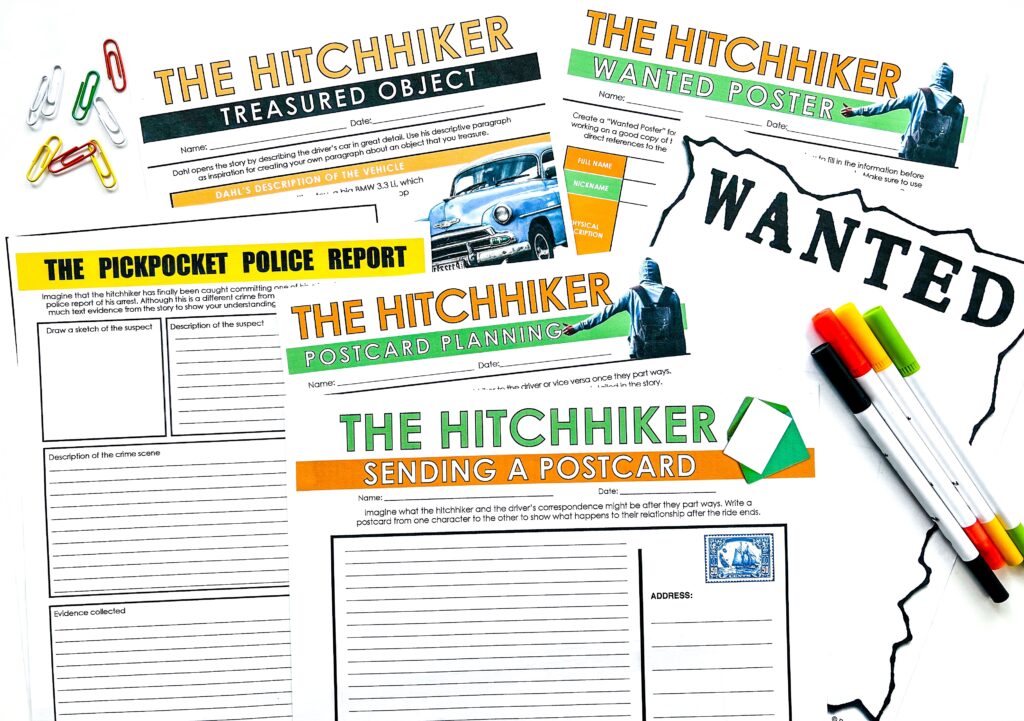
“Treasured Object” Descriptive Writing Activity
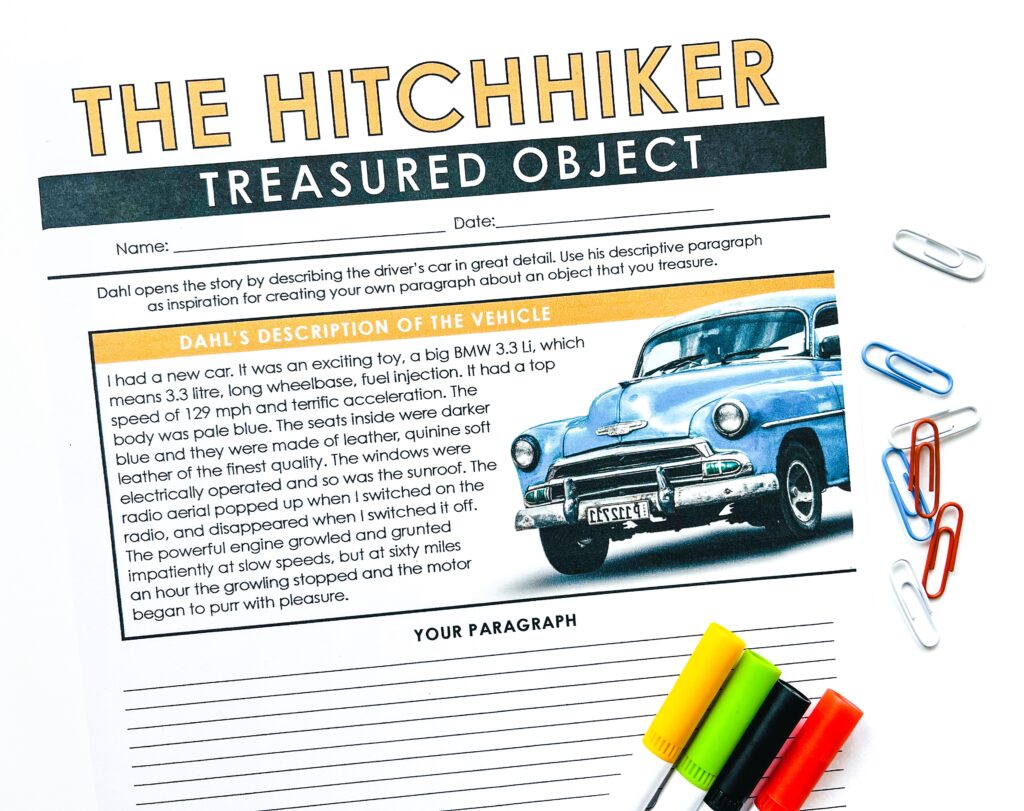
In this task, I ask the class to refer to the beginning of the story, where the driver describes his new car with great detail. Taking inspiration from this passage, students have the opportunity to put their own descriptive writing skills into practice! In a descriptive paragraph, students use sensory-based imagery to describe a “treasured object” of their own.
“Sending A Postcard” Creative Writing Activity
At the end of the story, the relationship between the driver and the hitchhiker remains unclear. I like to invite students to imagine what the characters might say to each other through written correspondence. Taking on the role of either the driver or the hitchhiker, students must create a postcard to “send” to the other character. A graphic organizer can help them consider the following factors before they complete their postcard:
- Have the characters become friends, or is one asking the other to do a special favor?
- Did the characters end their ride on good terms?
- What events have occurred in the lives of both characters since the end of the story?

More Activities for Teaching “The Hitchhiker”
For even more creative activities when teaching “The Hitchhiker” by Roald Dahl, consider tasks that incorporate visual representation or extend students’ understanding of characterization.
“The Hitchhiker” Wanted Poster
Using direct references from the short story, students create a comprehensive written and visual description of the hitchhiker. Begin by providing a graphic organizer for students to gather their thoughts. Then, provide a poster template where students can design a “Wanted” poster. Each poster should contain relevant information about the hitchhiker’s physical appearance and personality traits, a detailed visual, and instructions for what a person should do if they spot him!

“The Pickpocket” Police Report
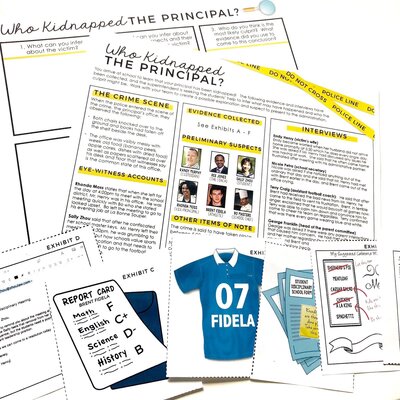
In this creative writing task, students imagine that the hitchhiker has been involved in a separate crime related to theft. Taking on the role of a police officer, they must compose a detailed report of the crime, based on their understanding of how the hitchhiker operates. They can imagine various witness testimonies, as well as an interview with the hitchhiker himself!

“The Hitchhiker” Film Adaptation
To round out a study of “The Hitchhiker,” it can also be fun for students to explore one of the film adaptations of this classic short story by Roald Dahl. I especially love using the version from “Tales of the Unexpected,” which is introduced by Roald Dahl himself!
The film version has a number of distinct differences from the original story. As students view the video, I have them keep track of the similarities and differences between the two versions. At the end of the video, I also like to ask students which version of “The Hitchhiker” they prefer, and to provide evidence to support their response!
There you have it! I hope this post gives you some new and creative ideas for teaching “The Hitchhiker” by Roald Dahl in middle school ELA!

Looking for more short story resources? Check out my blog post on 10 Short Stories to Teach in ELA (With Teaching Ideas)!
You might also be interested in my post on 50 Activities You Can Use With Any Novel or Short Story!
Search the blog for what you are teaching


GIVEAWAYS
sent straight to your inbox!



share this post