PRESTO PLANS






Sent straight to your inbox
CLICK HERE TO ACCESS
Sign up to receive 10 ready-to-use ELA resources your students will love!
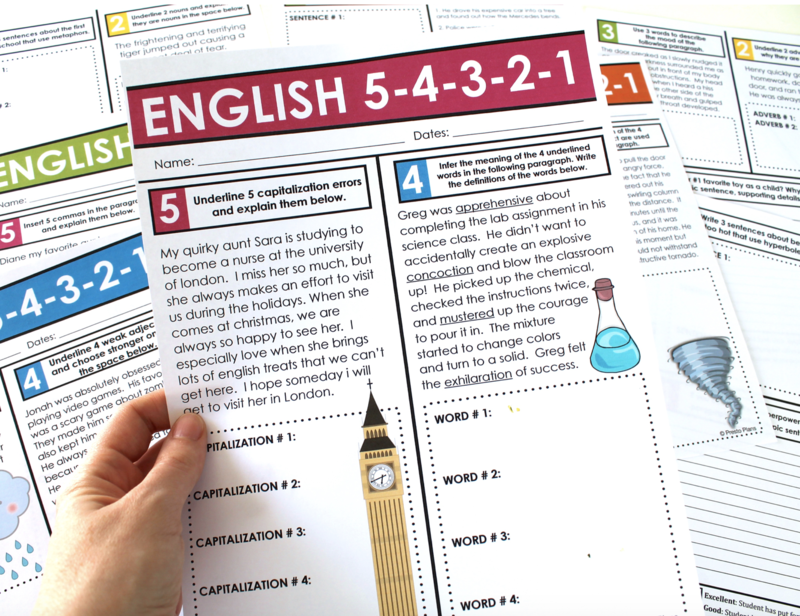
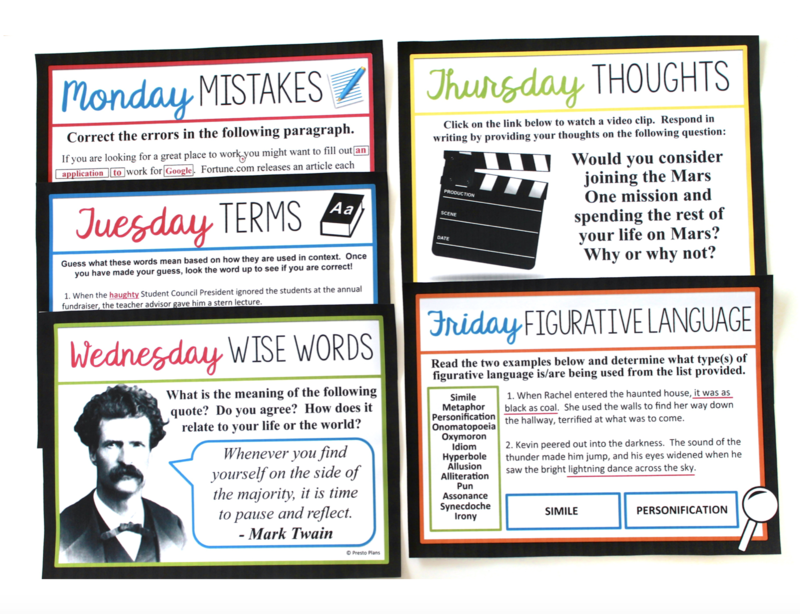
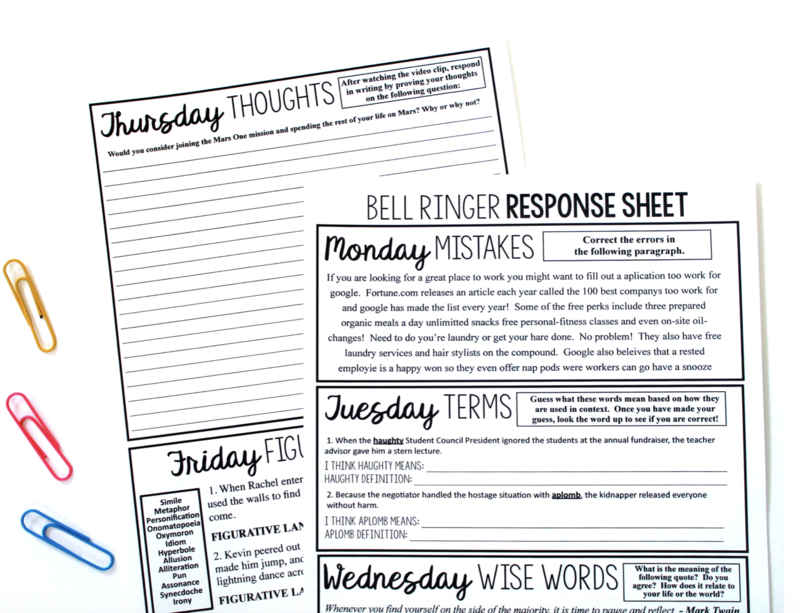
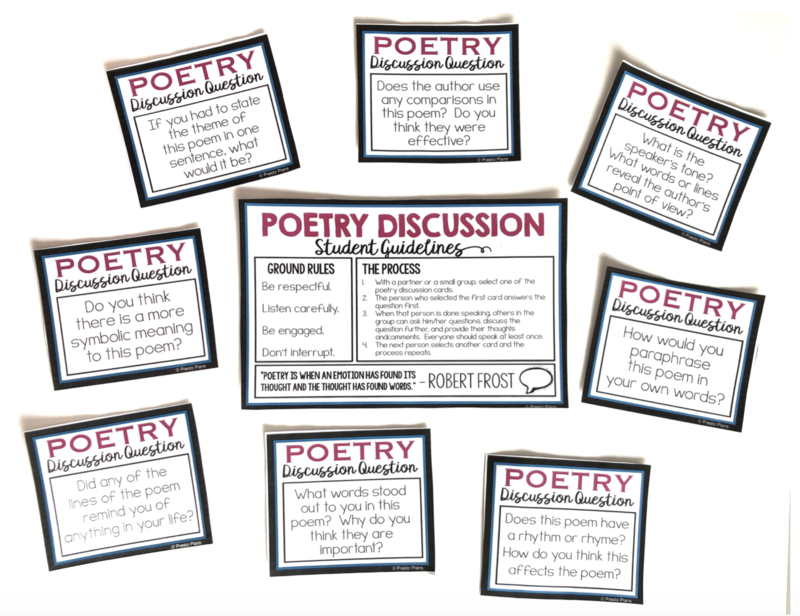
10 FREE ELA RESOURCES









Tips for Teaching “The Lady, or the Tiger?” by Frank Stockton
If you’re looking for a short story that sparks lively discussion and debate, consider teaching “The Lady, or the Tiger?” by Frank Stockton. This popular story, first published in the late 19th century, is famous for its exploration of justice and fairness, as well as its controversial ending!
In the story, a young man is forced to choose between two doors as a punishment for secretly courting the king’s daughter. Behind one door is a beautiful lady, who he must instantly marry. Behind the other door is a fierce tiger, waiting to pounce. The only person who knows what lies behind each door is the princess – but which door will she direct him to open?
In my experience, this story always gets students talking! Here are some of my creative tips and ideas for teaching “The Lady, or the Tiger?” in middle or high school ELA.
Build Background Knowledge
I begin teaching any short story, including “The Lady, or The Tiger?” by Frank Stockton, by providing students with some background information. To start, I share some details about Stockton himself, and then provide some historical context for the story. Born in Philadelphia in the 1830s, Stockton first wrote articles in his brother’s newspaper, as well as stories for children. Later, he expanded into writing fiction for juvenile and adult audiences as well. “The Lady, or the Tiger?” was first published in 1882, and remains one of his most famous stories.
While “The Lady, or the Tiger?” takes place in a fictional kingdom, the setting shares many similarities with Ancient Rome. To help students picture the story, I explain a bit about Roman amphitheatres, and the various events that took place inside them. The most popular involved two gladiators, battling to the death. Other events included chariot races, and grisly prisoner executions – often involving wild animals, including big cats like lions or tigers.

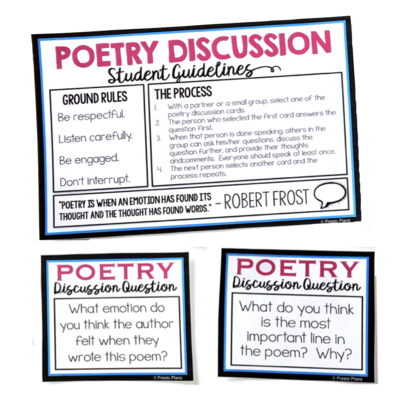
Pre-Reading Discussion
Once students have some background knowledge about Frank Stockton and the context of the story, I move on to a brief pre-reading discussion. I find that a guided conversation can focus students before reading, and help them begin to identify the key events and ideas of the story.
When teaching “The Lady, or the Tiger?” by Frank Stockton to middle or high school students, I ask some variation of the following questions:
- Do you believe you choose your own fate?
- What is justice?
- What does fairness mean to you?
- How far should parents go to protect their children?
- What does it mean to act barbarically?
Depending on the group of students, these questions can spark a lively whole-class discussion, or can provide an engaging conversation within small groups. If you choose to have students discuss among themselves, I recommend bringing the entire class together to make sure everyone has had the opportunity to share and participate before you read.

Reading the Story
From here, it’s time to read the story together! In my experience, “The Lady, or the Tiger?” contains phrases and vocabulary terms that some students might not be familiar with. This is why I ensure that each student has a printed copy, which they can refer to as they listen to the story.
You can choose to read “The Lady, or the Tiger?” aloud, or play a recording (there are many different versions available online). From time to time, it might be useful to pause the reading. This way, you can clarify or review any misunderstandings with your students as needed.
Post-Reading Discussion
Once everyone has read the “The Lady, or the Tiger?” I give students an opportunity to unpack and process the story. I find that middle and high school students can often benefit from sharing their thoughts in small groups first, and then expanding into a whole class discussion.
For this activity, it can be helpful for each group of students to begin with two different colors of highlighter. With one color, I ask them to identify the evidence that suggests the princess would send the young man to the lady. From here, they repeat the same process with the other color, identifying the evidence that the young man will open the door and find the tiger on the other side.
At this point, I bring the whole class back together. Here, they can discuss whether they think the door opened to reveal the lady or the tiger, and share their thoughts on being able to “choose” the ending of the story.
Classroom Trial
To further support students’ understanding of the story, I explore the king’s unique approach to justice with an interactive activity. Teaching “The Lady, or the Tiger?” with a classroom trial can help students better understand the story’s themes of justice and fairness.
In this task, each student is accused of committing a “crime” and must go on trial in the king’s arena. I print the “crimes” on pieces of paper, and distribute them to the students. When their case number is called, the student must stand and read the accusation to the class. I make it clear that they may not submit a defense. Instead, they must immediately choose between two doors, and a lady or a tiger will be revealed!
Once each student has had the opportunity to select a door, I have them reflect on their feelings before and after they make their choice. I also ask them to consider whether they feel their accusation or judgement is fair, and offer suggestions to improve the system.

Vocabulary Game
One thing I notice when teaching “The Lady, or the Tiger?” by Frank Stockton is that middle and high school students sometimes find the vocabulary in the story intimidating. To support them with some of the story’s more complex terms, I have them play a vocabulary matching game!
In this creative activity, inspired by familiar “memory games” they may have played when they were younger, students receive two piles of cards. One set of cards contains a list of vocabulary terms that appear in the story, and the other contains definitions for the terms.
TIP: I print the vocabulary words and the definitions on different colors of cardstock or laminate them for future re-use!
In pairs or small groups, students spread out the cards, and then flip over one vocabulary term and one definition. If they match, the student keeps the pair of cards. If they don’t match, they flip the cards back over and the next player takes their turn. Remind students to pay careful attention to the cards that are revealed during other players’ turns!

Guided Analysis Questions
After students have had the opportunity to explore their understanding of “The Lady, or the Tiger?” through vocabulary activities and discussions, I have them complete a series of analysis questions. This independent work allows me to check for comprehension, and provides an opportunity for students to explore and reflect on the themes and ideas of the story.
As they work through a series of questions, I like them to explore the symbolism of the doors each accused person must choose between, as well as the lady or the tiger that could be revealed when the door is opened. Students can also share evidence from the story to support the following themes:
- Fate and Choice
- Trust and Betrayal
- Barbarism and Civility
Finally, I give students the opportunity to reflect on Frank Stockton’s decision to suppress the ending. They can explore why the author chose to end the story in this way, and observe what this type of ending can reveal about the reader.
Debate Activity
I wrap up teaching “The Lady, or the Tiger?” with an engaging classroom debate! To do this, I split the class into two groups. One side must argue that there was a lady behind the door, while the other side must make the case for the tiger.
I also appoint a moderator to keep the debate running smoothly. To add a bit of excitement, I announce that the moderator has similar powers as the king in the story. The moderator decides which side will present their case first, as well as which side is the overall winner of the debate.
To help students prepare for the debate:
- Provide an overview of the debate format and expectations, including the rules of debate
- Review the building blocks of strong arguments, including ethos (the character or morals of the debater), logos (the logic of their argument, supported by evidence of the story) and pathos (bringing emotional appeal into the argument)
- Distribute pre-debate organizers to help students organize their thoughts and arguments, and identify relevant supporting evidence
- Provide a rebuttal tracking sheet for students to use during the debate to identify and refute points from the other side.

Create an Epilogue
To wrap up teaching “The Lady, or the Tiger?” I provide students with a chance to create a more complete conclusion to the story. First, I explain that an epilogue comes after a story, and serves as a commentary on, or conclusion to, the previous events.
In this task, each student writes a short story to continue “The Lady, or The Tiger?” As the author, they get to decide what happens to the princess five years after she made her final decision. I provide a planning page to help students focus their narrative before writing their good copy.

There you go! I hope that this post provided some fresh ideas if you’re teaching “The Lady, or the Tiger?” in middle or high school ELA!
Looking for more creative ways to explore short stories in middle and high school? Check out my blog posts on Teaching “The Open Window” by Saki and Teaching “The Treasure of Lemon Brown” by Walter Dean Myers.
Search the blog for what you are teaching


GIVEAWAYS
sent straight to your inbox!



share this post