PRESTO PLANS




Sent straight to your inbox
CLICK HERE TO ACCESS
Sign up to receive 10 ready-to-use ELA resources your students will love!
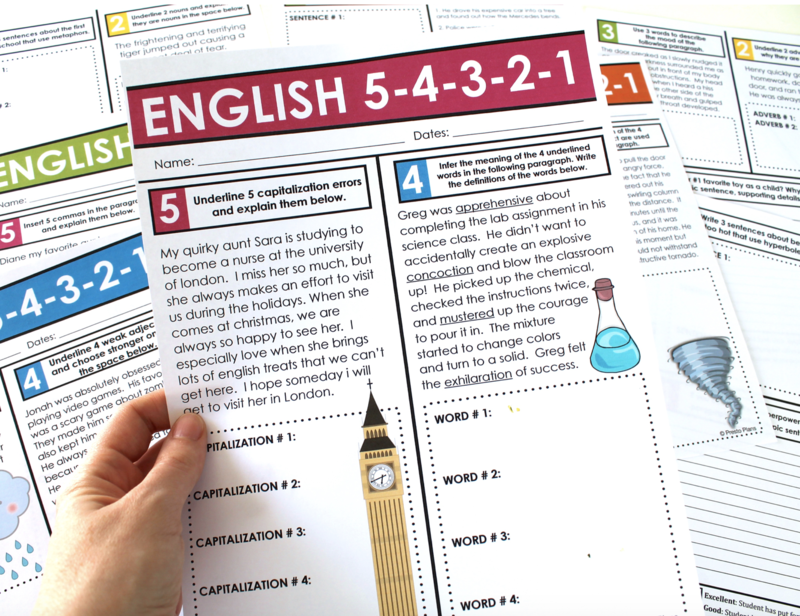
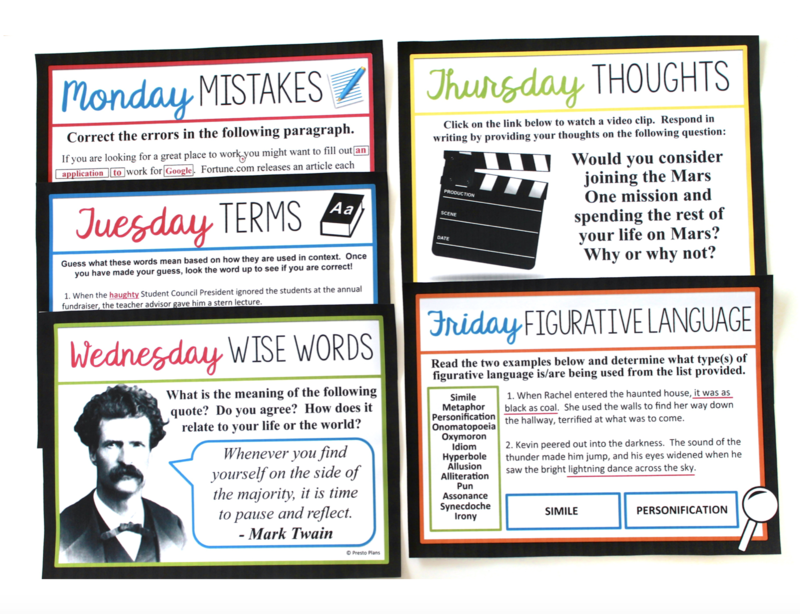
10 FREE ELA RESOURCES







Teaching “The Veldt” by Ray Bradbury
If you’re looking for a short story that will spark discussion about technology, teaching “The Veldt” by Ray Bradbury is a powerful choice. This classic piece of dystopian fiction captivates students while prompting them to consider how dependence on technology can shape—and even replace—real relationships.
“The Veldt” – originally published in 1950 under the title “The World The Children Made” – begins by introducing George and Lydia Hadley, who are struggling to find purpose while living in a technologically-advanced house known as the “Happylife Home.” Their two ten-year-old children, Peter and Wendy, are obsessed with “the nursery” – a virtual-reality type room in their home that simulates any setting they can imagine. When George and Lydia become unsettled by a realistic African veldt scene in the nursery, they make plans to “shut off” the room – but not before allowing their children to make one last visit.
If you plan on teaching “The Veldt” by Ray Bradbury in your middle or high school ELA class, here are my top tips and creative activities to make the most of this compelling short story.

Pre-Reading Activity and Discussion
Before teaching any short story, including “The Veldt” by Ray Bradbury, I like to prepare students with a quick interactive warm-up. For this activity, I display a series of statements to the students and ask them to stand up if they agree or remain seated if they disagree.
These statements include:
- Technology makes life better for everyone.
- Technology is addictive.
- Video games have negative effects on children.
From here, I like to facilitate some brief small-group (or partnered) discussions. Depending on your class, you might like to provide several discussion prompts to each group or pair. (One of my favorite prompts is: How do you usually react when your parents deny you something that you want?) Alternatively, you might prefer a “jigsaw” style of discussion, where each small group discusses a different prompt, and then provides a summary of their conversation to the other groups.

Reading The Veldt by Ray Bradbury
When teaching “The Veldt” by Ray Bradbury, I think it’s important to briefly explain some of the common characteristics of dystopian fiction. I like to explain that the dystopian genre often features a futuristic, imagined universe in which the characters are under some type of oppressive control. While dystopias often portray an exaggerated “worst-case” scenario, many authors – including Ray Bradbury – use them to critique current trends, societal norms, or political systems.
There are many different ways for students to experience “The Veldt” by Ray Bradbury, but I find that most enjoy listening to a read-aloud version. Of course, the simplest way to do this is to read it yourself, but there are a number of other excellent recorded versions available online that are fun to share. One of my favorites is the 2010 recording of late-night talk show host Stephen Colbert reading “The Veldt” in front of a live audience for the NPR program Selected Shorts.
As they listen to the story, I encourage students to follow along on their own copy. It may even be useful to provide a second opportunity for students to go back and re-read the story, highlighting or annotating the text.
Post-Reading Discussion
Once everyone has had the opportunity to read “The Veldt,” I like to provide time for students to engage in a post-reading discussion. Students can participate as a whole class, but I find that they sometimes provide more in-depth responses through a “think-pair-share” approach.
To begin, I like to display discussion prompts and give students a few minutes to quietly jot down their own thoughts and reflections. (This can be quite informal – even just a few bullet points on a sticky note). Next, I direct them to turn and discuss their responses with their seating partner. In this conversation, they can share and refine their ideas before opening up the discussion to the entire class.
The Veldt Comprehension Questions
After students have had a chance to talk about the text together, I like to shift the focus to reading comprehension. Using a printed version of the story as a reference (or possibly their notes from the initial reading of the text), students respond to a series of questions about plot, setting, themes, and writers’ craft. In doing so, they must include relevant and specific examples from the text.
I find that comprehension questions provide students with useful practice in identifying a variety of literary elements. “The Veldt” by Ray Bradbury contains a number of examples of symbolism, foreshadowing, imagery, and allusion, and I like to spend a few moments drawing attention to Ray Bradbury’s use of these techniques.

Teaching The Veldt – Creative Response Activity
To wrap up teaching “The Veldt” by Ray Bradbury, I like to encourage students to tap into their own creativity as they complete two final activities.
Missing Person Police Report:
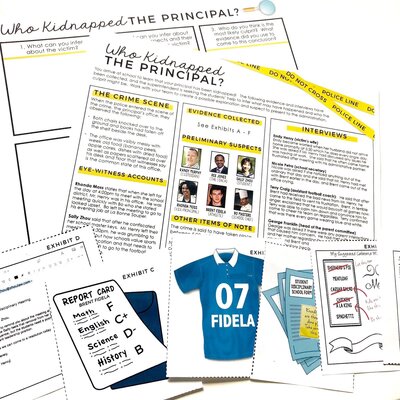
In this writing task, students create a “missing person report” for the characters of George, Lydia, or psychologist David McClean. Using a provided template, they must draw a sketch of the missing person and provide details about their physical description, last known location, and any evidence collected regarding their disappearance. I like to remind students to refer back to the story and use specific details to enhance their report.
Happylife House For Sale:
Taking on the role of a real estate agent, students imagine that it is now months after George and Lydia’s disappearance. Their family has decided that the Happylife House must be sold to raise money to continue the search efforts. Using details from the text, they will create a real estate listing for the property. A graphic organizer helps ensure they include all relevant information, such as the sale price, key features of the house, and a compelling description of the home.

Video Interpretation
For a final extension activity, it can be fun to explore one of the many creative interpretations of “The Veldt” that have been produced in the years since the story was originally published. One of my favorite versions is from the Ray Bradbury Theater, which first aired in 1989.
As students view the video, I encourage them to note down the similarities and differences between this production and the original story. At the end, they can refer to these notes as they discuss which version of “The Veldt” they prefer.
Whether you’re teaching “The Veldt” for the very first time or looking for new ideas to shake up your existing short story unit, I hope these activities help you make the most of this compelling science fiction story by Ray Bradbury!
Looking for more short story resources? You might be interested in my posts on Teaching “The Lottery” by Shirley Jackson, or Teaching “The Chaser” by John Collier.
You can also check out my post on 4 Scary Short Stories To Teach Around Halloween in ELA!

Search the blog for what you are teaching


GIVEAWAYS
sent straight to your inbox!



share this post